|
|||||||||||||||

|

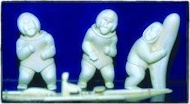
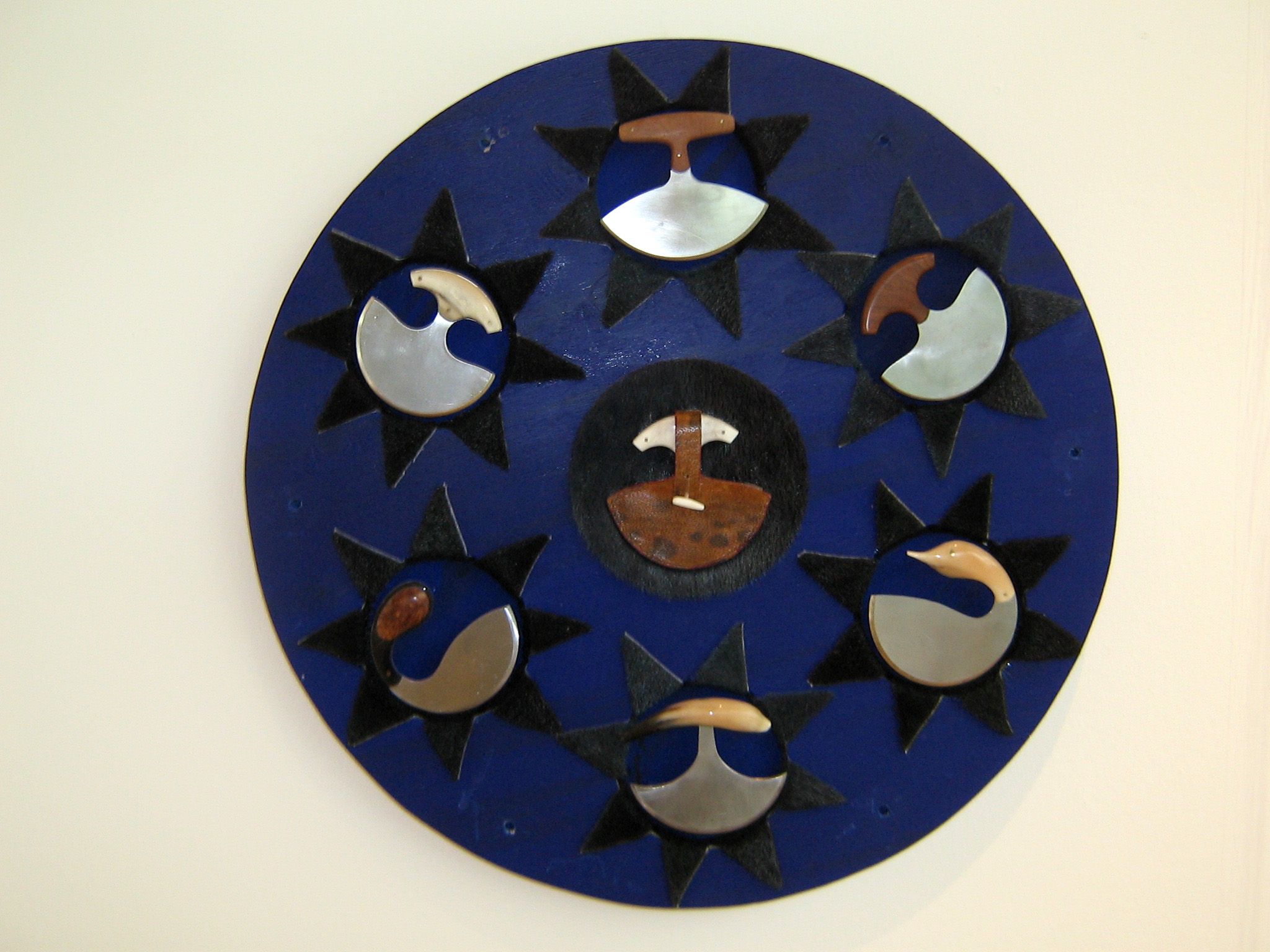
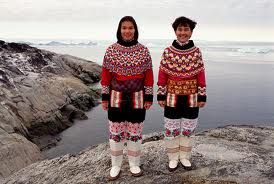
BACKGROUND OF THE PROJECTThe North Atlantic communities have been through fundamental changes, developing from being some of the poorest nations in the world to becoming some of the richest in the last century. The area will undergo more changes in the coming years, as global warming is opening up the northern hemisphere and changing the nature around us. People and communities in this area are being exposed to unprecedented outside influences, leading some to believe that the cultural heritage will find it hard to survive and pass to younger generations. The importance of cultural heritage is often lost on the young members of our communities. Implicit knowledge transfer can no longer compete with the revolution in communication technology. The purpose focusing on the education of younger generations is to help them understand their own society better, so that they are better prepared to respect other cultures as globalisation will lead to more and more interdependence. A project like this one will sharpen people's awareness of the value which lies in e.g. handicraft (art - and handicraft), the song tradition and everything that relates to the acquisition of food, such as fisheries and how people learned to listen to nature and how to make tools and equipment to make life feasible. Cooperation between the North-Western territorial areas will also be given much space in the exhibition. This kind of exhibition can be a feasible venue for cultural tourism but at the same time the vastness of the area and long distances may attract tourists per se, who would be ready to pay what it costs to reach the Northern spheres thus realizing tourism as a viable industry. The history of aviation in the West Norden countries will be explained as well as the general communication systems in the North Atlantic region. The most comprehensive view of this 1150 years history would be in the form of compact texts on wall posters as well as on DVD with spoken texts. The development of habitation and customs will also be shown. Older handicrafts will be explained from each country in text and DVD programs and it will be put in context in both directions, East and West, i.e. to Nunavut and Labrador as well as Northern Norway e.g. Tromsö and surrounding areas, and in addition some attention would be paid to the Shetland isles, Orkney, Scotland and Ireland Modern art and handicraft based on traditions will be a conspicuous part of the exhibition and how artists have managed to create artifacts that are unique and how they have succeeded in weaving natural materials into high fashion in clothing, jewelry etc. Another important part of the exhibition will be to show the development of national and local costumes in the Northern hemisphere. In connection with a special exhibition (N.A.T.A.) on tourism and ( fisheries) and cooperation in that field, there will be shipbuilding, an important factor where craftspeople will show methods on the first opening weekend of the exhibition and even longer by completing the building of a boat used in the West Nordic countries. Other industrial and communicational aspects will be spotlighted in compact texts as well as illustrations. |
|
|||||||||||||